

I like to imagine Graham Platner came into existence around this time last year after someone wished for a Democrat that didn't have any credentials tainted by support for Zionism, after which, the finger on a monkey’s paw curled. You don’t need me to tell you that the man running in Maine’s Democratic primary has been marred by controversy. What’s interesting is how it seems to have hurt his campaign, which is not very much, or at least, not as much as you would have assumed. Of course, something else could surface after I finish writing that really puts a dent in his popularity, but given what has already been unearthed, it seems unlikely.
I don’t think Graham Platner style guys are the future of politics in this country. Like I said before, he’s basically a caricature of what Democratic strategists try to look for in every district, just with stronger opinions and Dumb Guy Swag. On top of that, he’s remarkably skilled at finding new ways to keep his profile up.
Not only has the tattoo scandal mostly evaporated, it seems like he’s expanding his presence into more apolitical spaces. The fact he was able to get a livestream with World of Warcraft streamer Bajheera and speed runner TriHex, both of whom have hundreds of thousands of followers, is impressive and slightly baffling. These aren’t political streamers from what I can tell, they just came to some mutually beneficial agreement for cross promotion that furthered their interests. I feel the spirit of Mao’s war time opium smuggling operations in the image below, if not in the political struggle, then at least in the amount of opiates.

This resilience is not due to Platner’s stellar bona fides, it’s his first time running for public office and his resume continues to raise questions. The truth of the matter is that a candidate with all his specific flaws is perfectly suited to the current electoral environment. His opponent is an elderly establishment Democrat, his policy positions are definitively to the left of the party, and the revelations about his past fit do not hit as hard as they would have even 5 years ago.
By that last one, I mean that the punch of being associated with the term ‘Nazi’ in American politics is not the haymaker it used to be. Think about how the term ‘Nazi’ has evolved since Trump’s first term. Between Richard Spencer’s victory night speech and Charlottesville, association with the extreme right was almost always shunned by Trump. Even the ‘very good people on both sides’ comment post-Charlottesville was barely a nod to the polo-clad protesters who just risked their professional careers to be photographed supporting their president.
It was a massive PR disaster for the ‘Alt-Right’ faction. The next few years after Charlottesville saw the out and out white nationalists in full retreat. Richard Spencer wouldn't get any cushy interviews and allies in the White House like Steve Bannon were given the boot. Associations with the brand were extremely toxic but got less so as Trump began regrouping for a third run in 2024.
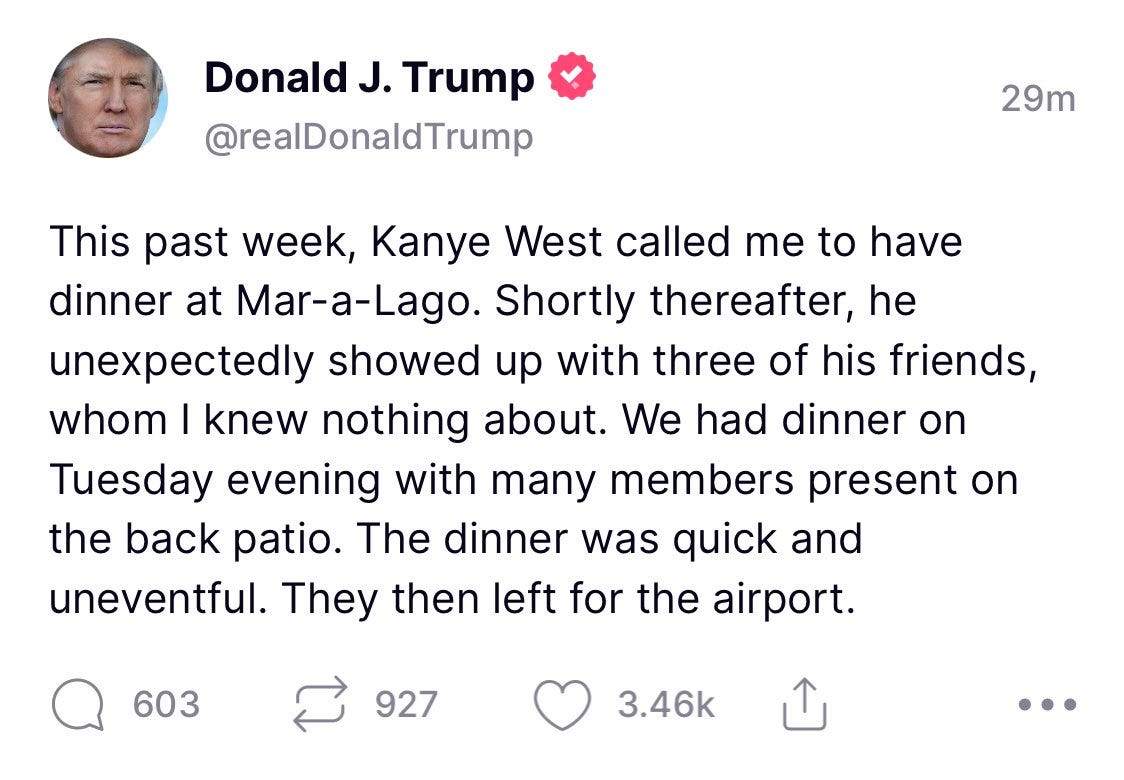
Fast forward to 2024. The far right in the Republican Party is on the rise yet again, but pointing out their Nazi ties is not that shocking anymore. Part of this from how obvious it was, but another was fatigue from Trump’s first term, when the threat of creeping authoritarianism was seen as mostly overblown. The third key part of it was the term ‘Nazi’ being actively undercut by the ongoing genocide in Gaza, as the domestic opponents of it (mostly college students) were being slapped with the label.
Not only does this devalue the term the same way any term would be from over use, it undercuts one of the last direct reminders of the horrors committed by Nazi Germany in the public consciousness. Israel, the state created as a direct result of the Holocaust, is not only committing a genocide, but using accusations of Nazi sympathy to justify it. This is not to say people are becoming virulently antisemitic because of what is happening in Gaza, rather that the rhetoric just isn’t going to move them as much in one way or another. As my 8th grade computer science teacher once said unprompted to our class for some reason: “the opposite of love is not hate, but apathy”.
Restoring the impact of calling someone a Nazi is really difficult once it starts being used against people that are calling for an end to ethnic cleansing. Even without what Israel has been doing over the past two years, I think ideas that this tattoo would knock Platner out of the race would be misplaced. World War II ended over 80 years ago and the post war prosperity only exists as the vague basis for the current economy.
Unless it’s linked to a contemporary issue, I have a hard time seeing Platner’s potential voters really caring that much. The immediate reaction of many that thought Platner’s career was over once the tattoo pictures came out betrayed a fundamental misunderstanding of how much of America actually thinks and has thought about World War II’s European antagonists.
See, Nazis are pretty well established as the ultimate evil in popular imagination, but that image of Nazis in the popular imagination comes with a few caveats. Without a somewhat detailed understanding of what lead to the rise and fall of the Third Reich, the men involved in it can easily seem near mythical. Obviously the success of Hitler in conquering Europe was not due to any near-superhuman adeptness on the part of him or his generals, but the results were extraordinary none the less.
This is why I always find it tiresome when things like Operation Paperclip or the Nazi generals that served in NATO are brought up as if they’re scandalous revelations about America’s past that were being actively hidden up until now. The reality is that most people knew about it even at the time, and simply did not mind. As long as they had *some* plausible deniability, the public would generally tolerate ex-Nazis. As most of these Nazis died off, it went from an acceptable resume to a relatively lighthearted criticism of the US government that was good for a quick joke if NASA ever came up. Hell, Marvel made an entire movie and TV show that assumed the viewer would at least be vaguely aware of Operation Paperclip to quickly explain the villain.
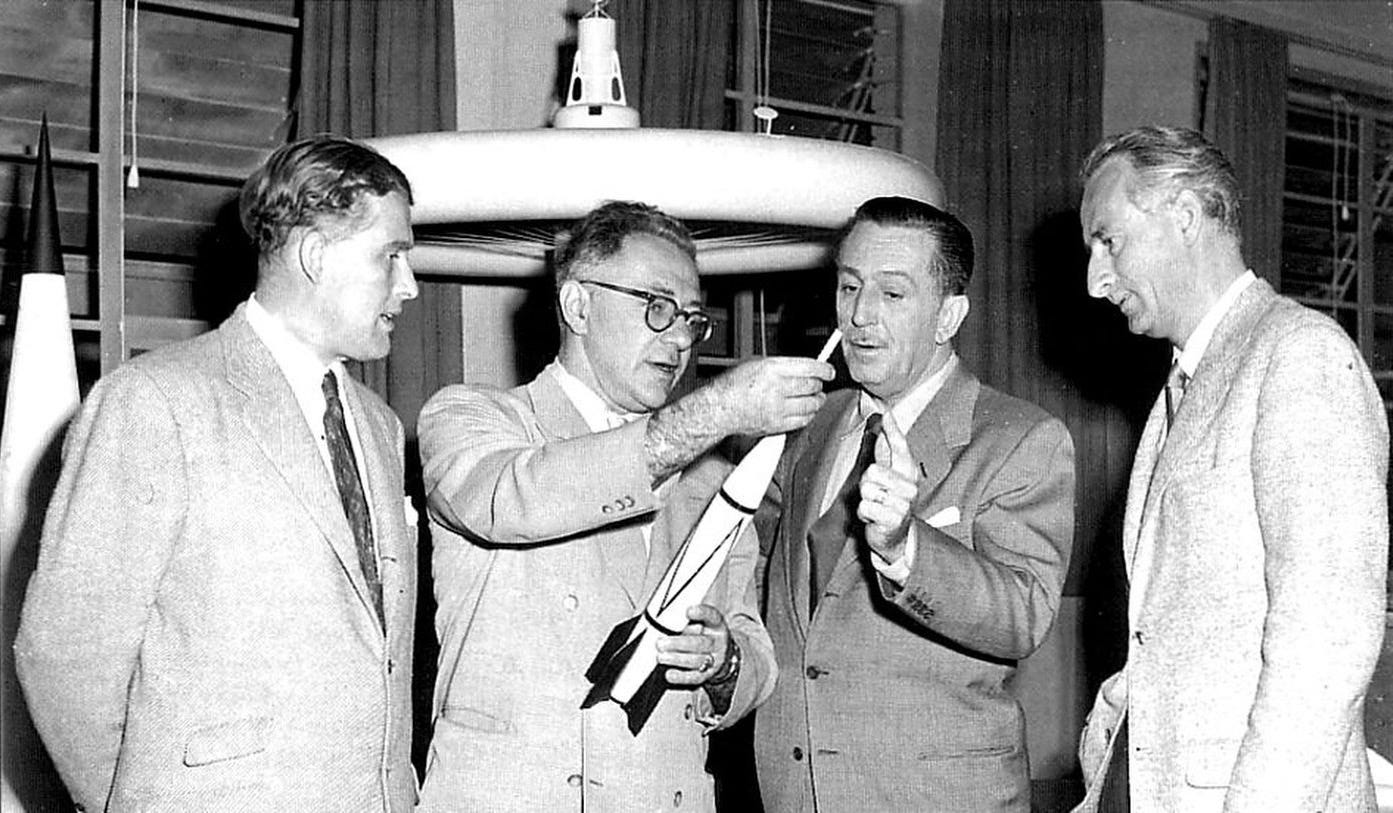
I’m not even limiting myself to the West here, there were plenty of Nazis that found themselves working with the Soviets post war, including the field marshal who commanded German troops at Stalingrad. I think the fact that Russia and Ukraine, countries devastated far more by the war than America, both have large militant groups that take after the Nazis should be an indication that the issue is in no way unique to the US. A more geopolitically consequential example would be the way during the 1980s, China (still ruled by a generation of veterans of the Second Sino-Japanese War) relied heavily on Japanese expertise to modernize its economy.
This is the inevitable consequence of how Nazis became the undisputed villains of the 20th century in the wider public’s imagination. In order for their ideology to receive lasting condemnation, its villainy became absolute, but its success also had to be explained. How do you conquer an entire continent with a backwards and reprehensible ideology? How do you make the first jet fighters before America does? How do you squander all that in the space of a few years? Can we replicate this success somehow?
So certain aspects of the Nazi regime became alluring, the things that could be removed and safely repurposed, both literally and in the mind of the public. The Porches, the more agreeable generals, the Hugo Boss suits, the scientists, the IBM computers, so much found its way back into polite society that could have theoretically been replaced fairly easily. Despite what the basic morality theoretically encourages, it’s easier for most people to simply move on, even from history’s greatest humanitarian tragedy and its perpetrators.
Do not consider Platner’s decision to get a tattoo in this context, instead, use it to consider the reaction. In another year, this would probably have sunk his campaign, but that is clearly not the case. It’s exciting to say that the political norms are collapsing, but that collapse can’t happen without people like Graham Platner showing up, especially if the Democratic base demanding someone with populist credentials above all.
Places like New York City have the luxury of diverse, well educated populations that can produce near perfect candidates to carry the left wing banner both in electoral politics and the wider media. Obviously Zohran Mamdani is the example that comes to mind, but outside of NYC this trend still holds. The most consistently progressive legislators almost exclusively come from diverse urban areas. If you want someone that’s consistently progressive at home and morally sound on Israel, which much of the Democratic base is looking for, you’re essentially limited to diverse urban areas that also have sizable Muslim populations. There are definitely some good recruits for the progressive cause in places like NYC and Minneapolis, but cities like these are the exception.
If you’re outside of a major city, your options are pretty slim without a concerted effort by local activists to find candidates that can carry the banner without incident. It’s in situations like this that a guy with vague but at least somewhat working class credentials can wander in to a city hall meeting and whip up support.
Think about it this way: each of New York City’s 52 city council members represent, on average, about 170,000 people. In the state House of Representatives, where Zohran Mamdani currently serves, the ratio is about 120,000 per representative. Portland, Maine’s largest city, has a city council of 8 members that each represent roughly 8,500 people, and a mayor that represents a population a little more that 1/3 the size of an NYC city council member’s district. Their State House has a slightly higher ratio, at about 10,000 represented per House member. All of this is while Maine has just as much representation in the Senate as New York. There are simply far less people in Maine that can run for office, and their constituents are far fewer in number.
This isn’t a situation where in a tight pack, one candidate can get knocked out easily by another with extremely similar positions. I looked at who the Maine Morning Register listed as running for the senate seat and Platner is the only Democrat competitive with Governor Janet Mills. The rest of the field is also hard to see being favored by progressives over Platner, most of them seem to be some kind of veteran or small business owner.

The only interesting one is this woman Natasha Alcala. Like everyone else in this race apparently, she’s a veteran but unlike anyone else in the race, a fashion designer. Her campaign website seems to indicate she’s broadly progressive but special attention seems to be given to the issue of aiding Ukraine. The ‘official’ picture of her has both an Imperial Russian and modified Ukrainian flag that includes its coat of arms. She also uses images of Olga of Kyiv, a saint in the Eastern Orthodox Church known for her brutal military campaigns and conversion of Ukraine to Christianity. She has also, according to her website, ‘studied Putin since she was 8 years old’ and ‘will put Putin behind bars’.


The hardest pill to swallow for a lot of left wing observers is that sticking to your guns and not backing down as the most left wing candidate, a quality so many of us admire about Zohran Mamdani, is also present in Graham Platner. The difference is that, unlike most of the newly emerging urban progressives, Platner isn’t coming from the ranks of a local DSA chapter or other explicitly left wing organization that would have potentially filtered out a person who worked for Blackwater.
While groups like the DSA have had major success in pushing their candidates in the wake of centrist Democrats’ 2024 failure, they, nor the wider left wing in America, have a patent on candidates that criticize Democrats for not doing enough. There also haven’t been any serious efforts to organize outside of the context of the Democratic Party, which means still being reliant on at least a plurality of primary voters. Of course, if someone with less baggage wants to take up the Party for Socialism and Liberation or Green Party nomination and run in Maine’s Senate race, they’re more than welcome to, but I think most realize how effective that’s likely to be.
One of my friends from NYC was talking about Platner in a group chat and said he couldn’t expect his non-white constituents to vote for him after the tattoo pictures came out. I don’t know if that’s how it’ll play out but what’s funny is that it could be true and Platner, unlike most other Democrats running for competitive senate seats, would still be fine. Maine is the 2nd whitest state in the country and 1st in terms of rural population. The whitest state, Vermont, is home to the senator that arguably revived the type of political rhetoric that both Platner and Mamdani have been using in their own ways.
Ironically, Platner is a lot closer to Bernie Sanders than Mamdani in a lot of ways, not just geographically. The senator from Vermont waited until the week before the New York City Democratic primary to endorse the now mayor-elect, but has consistently defended Platner months before he’s set to square off with his Democratic opponent. This is not to say Bernie is the gold standard, I think even he knows that the torch has to be handed off, but it is a reminder of how idiosyncratic small state Senators can be.

Graham Platner also has one other huge advantage beyond the fading legacy of Nazi Germany and the state he’s running in. Graham Platner is still popular because he’s done something that most Americans have done but most politicians made sure to never do publicly before getting elected: he fucked up. In a country that’s getting more downwardly mobile by the day, it’s hard for a lot of people to not feel like they fucked up in some way. When most people fuck up, it’s not by getting an SS tattoo, usually it’s getting stuck in a horrible job or having a relationship crash and burn (which Platner seems to have avoided through counseling), but there is a through line that makes Platner relatable.
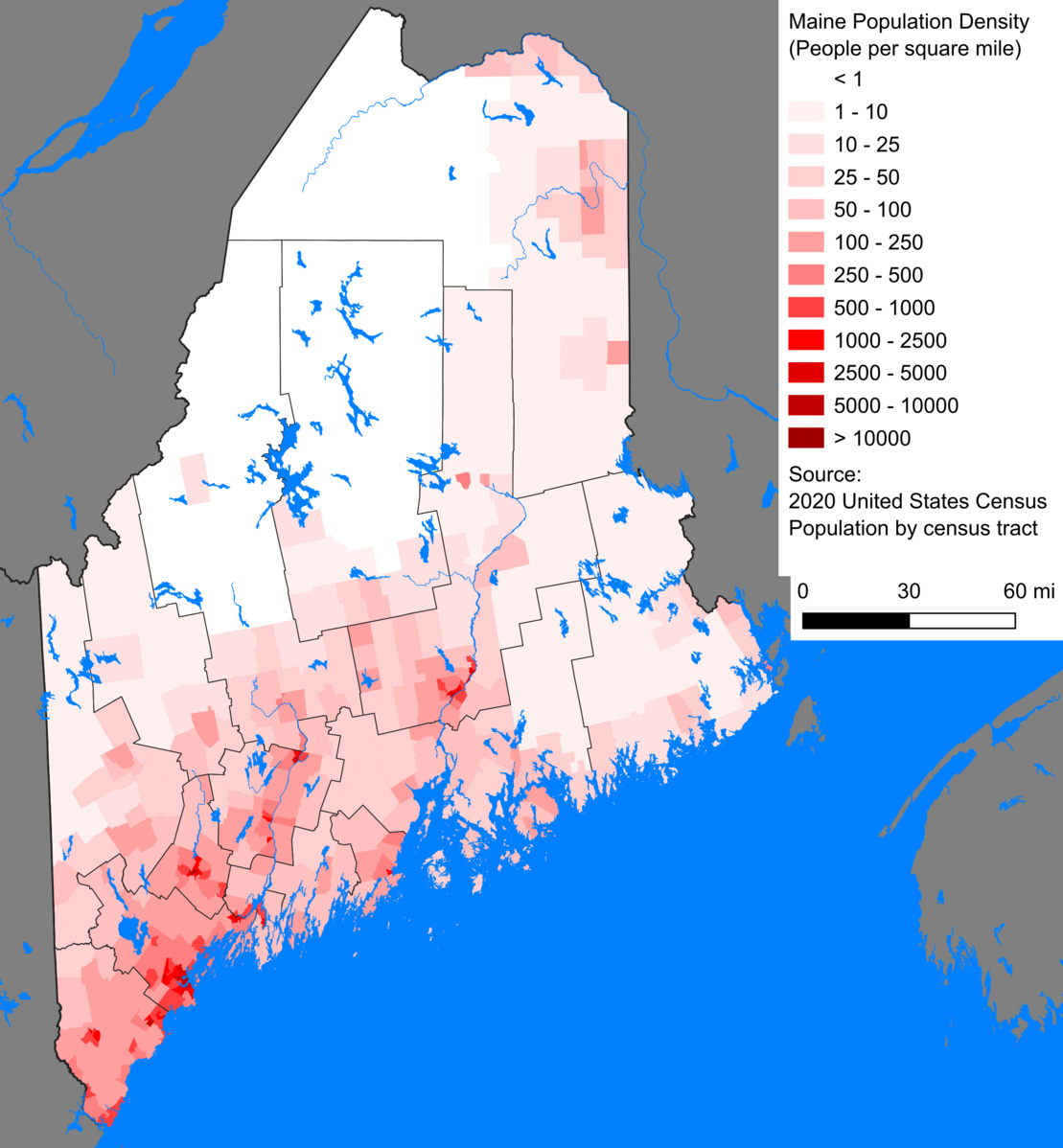
This average primary voter likely has a lot more in common with Graham Platner than I think most people realize. I’m no expert on Maine specifically, but I can read those statistics and get a very good idea of the type of person Platner is engaging. If they’re previously apolitical, they likely don’t care about the tattoo in the first place. If they’re an engaged Democratic primary voter, it’s almost certain they’re aware of what Republicans were saying in group chats and might even get some catharsis out of defending Platner.
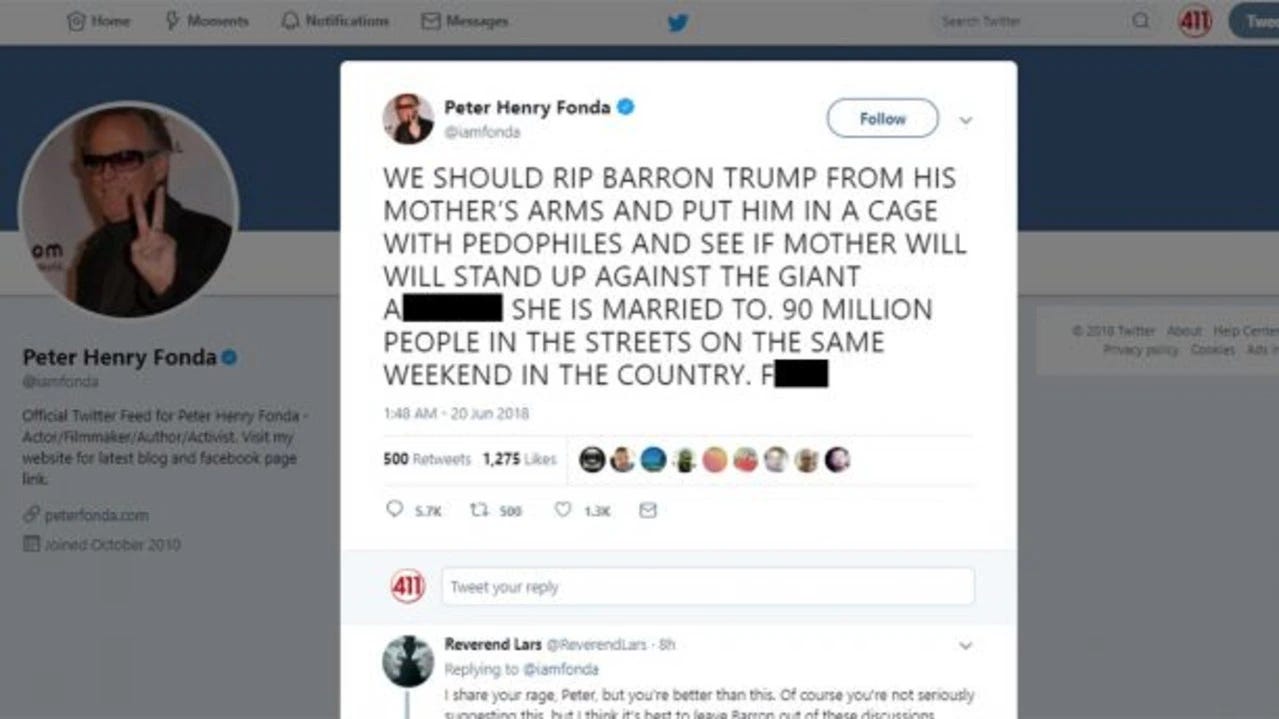
Think about the average Democratic primary voter in Maine. You probably live in an urban area, as Democrats tend to, but know a lot of people that don’t. You are, like most primary voters, on the older side (Maine is also the oldest state demographically) but probably don’t remember much of politics from before the Reagan years. And finally, you are well aware of how past controversies don’t seem to hinder Republicans, and if anything they help them show how unfazed they are by the media.
If you’re this guy, a middle age liberal white man living in somewhere in Maine, do you feel like you never fucked up in a way that was your fault for the most part? Those Republicans seem to think they never fucked up, and you’re definitely not like them. Maybe you got heated during an argument in college about a joke you heard in a Chris Rock special. Maybe you thought one of your wife’s gay friends would laugh at a joke he most certainly did not laugh at. Maybe you got really into visors.
Whatever it is, you almost certainly remember a less politically correct version of yourself. You don’t want them to come back and haunt you, but it’s not like you still endorse those views now. Thank Christ the internet only got big after you graduated high school, otherwise you’d be in real trouble. You also don’t like to worry about these things. The Democrats lost in 2024 for a lot of reasons, but you told a pollster that you think Kamala Harris came across as too woke.
So what does it mean when this news comes out about one of your guys, a working class combat veteran, a guy that seems like almost a caricature of the people Democrats have been trying to get the support of? Do you buckle after he owned up to his mistake? Do you give up and tacitly admit that you got tricked by yet another politician? Do you let them tell you that the only other option in the primary is a lawyer turned governor who will be almost in her 80s when she gets to the Senate? I have a hard time believing many Platner supporters are interested in that, and I don't think they’ll change their minds anytime soon.